


If your washing machine isn’t spinning, it can be frustrating, especially when you have a pile of laundry waiting. Whether your washing machine won’t spin at all or it’s spinning slowly, understanding why it happens and how to fix it can save you time and money.
In this guide, we’ll walk you through the common causes of a washing machine not spinning and provide clear instructions on how to fix it. Let’s get your washing machine back to its optimal performance!
Common Causes of a Washing Machine Not Spinning
Before diving into repairs, it’s essential to understand what might cause a washing machine not to spin. Several factors can prevent your washer from spinning, including:
- Uneven Load: Overloading or underloading the washing machine can prevent the drum from spinning properly.
- Broken Drive Belt: The drive belt connects the motor to the drum. If it’s snapped or slipped off, the washer won’t spin.
- Faulty Lid Switch: The lid switch prevents the washer from operating when the lid is open. If it malfunctions, the washer may not spin.
- Clogged Drain Pump: A blocked drain pump can stop the washer from draining properly, which in turn prevents spinning.
- Worn-out Motor Coupling: The motor coupling connects the motor and the transmission. If this part is worn, it can prevent the machine from spinning.
Now that we know the possible culprits, let’s look at how to troubleshoot and fix each issue.
How to Fix a Washing Machine Not Spinning
1. Check the Load Balance
One of the easiest fixes is to check if the load inside the washing machine is balanced. An unbalanced load, whether it’s too heavy on one side or too light, can prevent the washer from spinning properly.
How to fix:
- Open the lid and redistribute the clothes evenly around the drum.
- If necessary, remove some clothes to balance the load.
- Restart the washer and check if the spin cycle works properly.
2. Inspect the Drive Belt
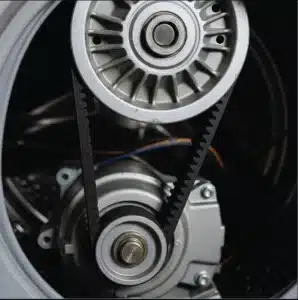
If your washing machine isn’t spinning, it could be due to a broken or worn-out drive belt. This belt connects the motor to the drum, enabling it to spin.
How to fix:
- Unplug the washing machine from the power source.
- Remove the back or front panel of the washer.
- Locate the drive belt and check if it’s intact. If it’s snapped or loose, replace it with a new one.
- Reassemble the panel, plug the washer back in, and test the spin cycle.
3. Test the Lid Switch
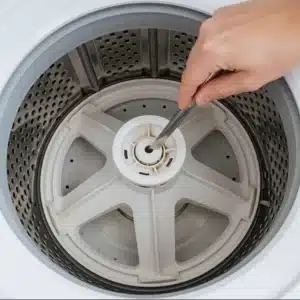
For top-load washers, the lid switch prevents the washer from spinning if the lid is open. If the lid switch is defective, it may not recognize when the lid is closed, thus preventing the spin cycle from starting.
How to fix:
- Open the lid and check the switch for any visible signs of damage or wear.
- If the switch is broken, you’ll need to replace it.
- Consult your washing machine’s manual to find the correct replacement part.
4. Clean the Drain Pump Filter
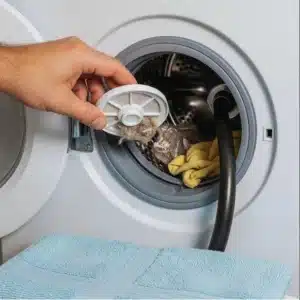
A clogged drain pump can also cause spinning issues. If water can’t drain properly, the washer won’t be able to enter the spin cycle.
How to fix:
- Locate the drain pump filter, usually at the bottom of the machine or behind a small access panel.
- Open the panel and remove any lint, debris, or small objects blocking the filter.
- Reassemble the washer and run a cycle to check if the problem is resolved.
5. Replace the Motor Coupling
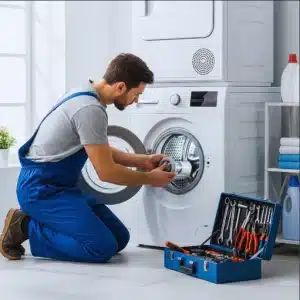
The motor coupling connects the motor and transmission, enabling the drum to spin. If this part is broken or worn out, the washer won’t spin properly.
How to fix:
- Disconnect the washing machine from the power and water supply.
- Remove the panels and locate the motor coupling.
- If damaged, remove the old coupling and replace it with a new one.
- Reassemble the machine and test if it spins correctly.
When to Call a Professional

If none of these fixes work or you’re uncomfortable performing repairs yourself, it may be time to call a professional repair technician from Repaircenter. Complex issues such as motor failure or wiring problems require expertise to fix safely.
Preventing Future Spinning Problems
To keep your washing machine in top condition and prevent future spin issues, here are some tips:
- Don’t Overload: Always follow the manufacturer’s recommendations for load size.
- Clean the Filter Regularly: A clogged filter can cause many issues, including spinning problems.
- Maintain the Drive Belt: Check the drive belt regularly for wear and tear, and replace it if necessary.
- Balance the Load: If you’re washing bulky items, such as blankets or towels, balance them out to ensure the drum spins smoothly.
Conclusion
A washing machine that won’t spin is a common issue, but most problems are easy to fix with a little troubleshooting. By checking for load balance, inspecting the drive belt, testing the lid switch, cleaning the drain pump, and replacing the motor coupling, you can resolve the issue yourself in no time.
However, if you’re not comfortable with repairs or if the problem persists, don’t hesitate to contact a professional. Regular maintenance and proper care can help extend the life of your washing machine and prevent future issues.
Read more


