


If your washing machine is leaking water, it can disrupt your laundry routine and create a mess. A water leak can be caused by various factors, but with the right guidance, you can identify and fix the issue.
This guide will help Cape Town homeowners understand the common causes of washing machine leaks and provide step-by-step instructions on how to repair them efficiently.
Why Is My Washing Machine Leaking?
A leaking washing machine can result from many reasons, such as overloading, clogged drains, or faulty seals. Here are the most common causes of leaks:
-
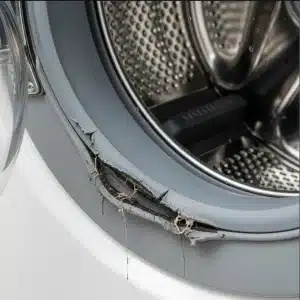
Worn-Out Door Seal

A common cause of leaks in front-loading washers is a damaged door seal. Over time, this rubber seal can wear out, allowing water to escape. Inspect the seal for cracks or tears, which can be the source of the leak.
-
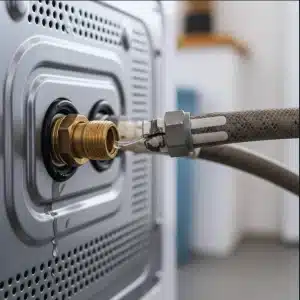
Loose or Damaged Hose Connections

The hoses connected to your washing machine supply water. If they become loose or damaged, they can lead to leaks. Tighten the hose connections to ensure they’re secure and check for signs of wear or cracks in the hose.
-
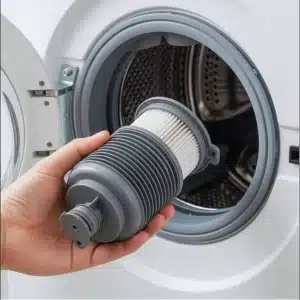
Clogged Drain Pump or Filter

If your washing machine’s drain pump or filter is clogged with lint or debris, it can cause water to back up and leak. Regular maintenance and cleaning of these parts can help prevent this issue.
-
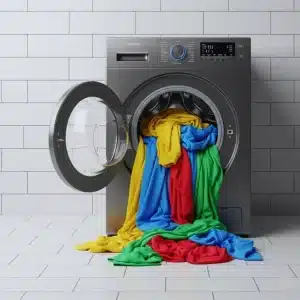
Overloading the Washer

Overloading the washing machine can put stress on its components, leading to leaks. It’s essential to follow the manufacturer’s recommended load size to prevent overstraining the machine.
-
Faulty Water Inlet Valve

The water inlet valve controls the water entering the washing machine. If it’s faulty, it may allow water to leak during the wash cycle. Replacing a damaged valve can solve this problem.
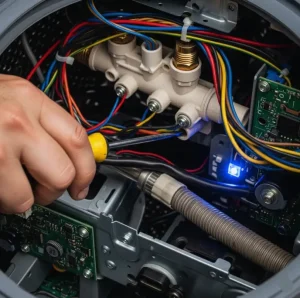
How to Fix a Leaking Washing Machine: Step-by-Step Guide
-
Turn Off the Power and Water Supply
Before attempting any repairs, make sure to turn off the power to your washing machine and disconnect it from the water supply. Safety is your top priority during this process.
-
Inspect the Door Seal
If your washing machine is a front-loader, inspect the door seal for any visible cracks or tears. You can clean the seal with a soft cloth and mild detergent to remove dirt and buildup. If the seal is damaged, it may need to be replaced.
-
Check the Hose Connections
Inspect the hoses connected to the back of your washing machine. Tighten any loose connections and replace any worn-out hoses. Make sure the hoses are properly connected to the water supply and drain.
-
Clean the Drain Pump and Filter
If the water is backing up during the cycle, the drain pump or filter might be clogged. Locate the filter (usually at the bottom of the machine) and clean it out. You can use a small brush or cloth to remove debris. If the drain pump is clogged, carefully clear it.
-
Examine the Water Inlet Valve
Check the water inlet valve for any signs of damage or leaks. If it appears to be faulty, it may need to be replaced. You can purchase a replacement valve from your local appliance store or online.
-
Avoid Overloading
Overloading the washing machine can strain its components and lead to leaks. Always follow the recommended load size to prevent unnecessary pressure on the machine.
-
Test the Machine
After making the necessary repairs, reconnect the water supply and power. Run a short cycle to check if the leak persists. If the leak is fixed, you can continue using the washing machine as usual.
When to Call a Professional
While many minor issues can be fixed by homeowners, some problems require the expertise of a professional. If you’ve tried the above steps and the leak persists, or if the problem is too complicated to troubleshoot on your own, it’s time to call in a professional repair technician.
A licensed technician will be able to diagnose and repair any issues with your washing machine, such as faulty pumps, wiring problems, or motor issues.
Preventative Maintenance Tips for Washing Machines
To keep your washing machine in good working condition and prevent future leaks, follow these maintenance tips:
-
Clean the Filters Regularly
Clogged filters can cause water backups and leaks. Make it a habit to clean your washing machine’s filters every few months to ensure proper drainage.
-
Inspect the Hoses and Seals
Check the hoses and seals for wear and tear regularly. Replace any damaged parts immediately to avoid leaks.
-
Level Your Washing Machine
Ensure that your washing machine is level on the floor. An unlevel machine can cause vibrations, which can lead to leaks over time. Adjust the machine’s feet if necessary.
-
Avoid Using Excessive Detergent
Using too much detergent can cause soap buildup, which can block the pump and lead to leaks. Follow the manufacturer’s instructions on the correct amount of detergent to use.
-
Perform Regular Wash Cycles
Running a cycle with no laundry and a bit of vinegar can help clean the machine’s interior and prevent mold and mildew buildup.
Conclusion
A leaking washing machine can be a frustrating issue, but with the right knowledge and tools, most problems can be resolved by following the steps outlined in this guide. Regular maintenance and prompt repairs will ensure your washing machine runs smoothly for years to come.
If you’re in Cape town and need professional washing machine repairs, don’t hesitate to contact RepairCenter. Our expert technicians are ready to help you fix any leaks and keep your machine running efficiently.
Read More
How to Fix Washing Machine Spinner


